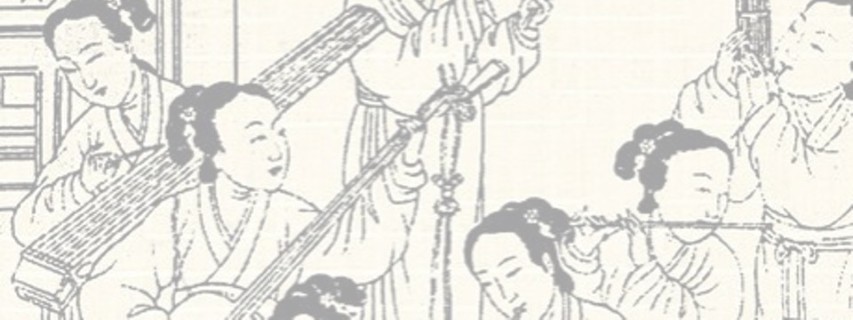
A guide on the course MUSI2010 from HKU.
To readers
This is a summarization of content for the course MUSI2010: Music of China at HKU, by speedrunners, for speedrunners.
Why this article is not in Chinese? Since the language used in the quizes, tasks and final would in English, and the only acceptable language here at HKU is English, we will revise all content in English. If your first language is Chinese, you may find these characters helpful. For native English speakers, you may find these Pinyin and characters confusing and not helpful, and this article is not written to ensure a perfect reading experience for you as some concepts contain no direct English translation. If you still wish to read this article, perhaps you need a translator.
You can see there are Chinese characters used for reference for Mandarin and Cantonese speakers, but as the prof. stated on class, you SHOULD NOT write these characters as answers.
This is a work created for personal revision only, so there may contain errors and misleading information. This article contain AI-generated content, majority used in the takeaway part, for speeding up the editing and writing process. There is no guarantee that the content is fully covering the lecture materials, but I am trying my best to do so.
I am not responsible for any reduction of marks by only reading this article and treat everything inside as groundtruth.
If you are a student who is studying this course, you SHOULD NOT read this article solely as a course guide. Study the entire course and follow lectures/tutorials. After that you will find this article helpful.
Happy speedrunning!
Definition & Scope, Introduction to Instrumental Music
Concepts
The Yue system
Yayue (雅乐): The most ancient and revered category. It refers to the formal, ritualistic music of the court. Primary purpose was for ceremonies, sacrifices (especially to heaven, earth and ancestors), and official state functions.
Classical or Sacred music of its time.
Suyue (俗乐): Music of the common people. It includes folk songs, storytelling, and music for local festivals and celebrations. It is the opposite of the rigid, formal Yayue.
Suyue is diverse, regional and constantly evolving.
Huyue (胡乐): Music imported into China, primarily from regions to the west and north via the Silk Road.
This music brought new instruments, melodies and rhythms that were ofhen very exciting and popular, especially during Tang Dynasty.
Yanyue (宴乐): This is the entertainment music for banquets and leisure activities at court. Yanyue was a practical blend of all three categories above. It incorporated the dignity of Yayue, the popular appeal of suyue, and some exotic flavors of huyue to create a sophiscated and entertaining musical tradition for the imperial court and aristocracy.
Sinicized (汉化): It describes the process by which foreign elements (like huyue music and instruments) were gradually adapted, modified and absorbed into Chinese culture until they became distinctly "Chinese".
Instrumentation classification
Bayin (八音): One of the oldest Chinese systems for classifying insturments. Eight matirials are:
- Metal (Bells)
- Stone (Stome Chimes)
- Silk (Stringed instruments like qin, pipa)
- Bamboo (Flutes and Pipes like dizi, xiao)
- Gourd (Mouth organs like shengs)
- Earth / Clay (Ocarinas)
- Hide / Leather (Drums)
- Wood (Clappers)
Chui Tan La Da (吹弹拉打): Refers to Blowing, plucking, bowing and hitting. Meanings:
- Chui 吹: Wind Instruments. e.g., dizi, suona
- Tan 弹: Plucked String Instruments. e.g., pipa, guzheng
- La 拉: Bowed-string instruments. e.g., erhu, gaohu
- Da 打: Percussion instruments. e.g., drums, gongs, cymbals
Readings
LIANG, Mingyue. Music of the Billion, pp. 11-21.
- Core Idea: Music (yue) is not just sound; it's a fundamental part of life, connected to rituals, banquets, and even politics.
In ancient China, music was considered one of the four essential functions of society, along with morals, law, and politics.
Boarder meaning of Yue? It was a key component of a well-ordered society.
Why did every dynasty have an official music bureau? Because music was seen as integral to proper governance and social harmony, its regulation was a state function.
Final Takeaway
With assist of Gemini 2.5 Pro:
Historical Classifications
- Yayue: Formal, Confucian court ritual music.
- Suyue: Folk/popular music of the common people.
- Huyue: Foreign music, especially from the Silk Road.
- Yanyue: Banquet music, a synthesis of the other three for court entertainment.
Instrumental Classifications
- Bayin ("Eight Sounds"): Ancient system based on material (metal, stone, silk, bamboo, gourd, earth, hide, wood).
- Chui Tan La Da ("Blow, Pluck, Bow, Hit"): Modern system based on playing method.
Key Concepts
- Sinicization (Hanhua): The process of absorbing foreign musical elements and making them Chinese.
- Yue (Music): A broad concept linked to all aspects of a well-functioning society, not just an art form. Every dynasty had an official music bureau to manage it.
Qin and Pipa
Concepts
The Qin
Musically, the qin is known for its three types of tones:
- San (散音): Open strings, producing a deep, resonant sound.
- An (按音): Stopped strings, where the left hand presses the string against the body of the instrument to change the pitch. This is where most melodies are played.
- Fan (泛音): Harmonics, produced by lightly touching the string at specific nodes. They have a pure, ethereal, and floating quality.
Qin's purpose was unique: it was not meant for public performance. Playing the qin was a private act of contemplation, self-purification, and meditation. It was a way for a scholar to communicate with the self and the universe.
A typical qin piece follows a structural format, often in five sections, that takes the listener on a journey: from a free-rhythm introduction (sanqi, 散起), into the main themes (rudiao, 入调), which then slow down and become more meditative (ruman, 入慢), before a possible restatement (fuqi, 复起) and a final concluding section (weisheng, 尾声).
The instrument saw its peak popularity among scholars in the Ming Dynasty but faced a sharp decline in the early 20th century. After 1949, the government encouraged its revival, leading to significant research and the reconstruction of many pieces via dapu in the 1950s.
The Notation
Because the music was so subtle, writing it down was a challenge. This led to two key forms of notation:
Wenzipu (文字谱): An ancient, complex system using full characters to describe every action. It's so detailed that it's difficult to read and fell out of use. Only one piece survives in this notation: Youlan (《幽蘭》, Elegant Orchid).
Jianzipu (减字谱): A "simplified" system developed later, which became the standard. It combines parts of different characters into a single symbol to give precise instructions for both hands (stopping position, which string, plucking technique, etc.).
Neither notation system specifies rhythm or tempo. This ambiguity is intentional. It leaves the interpretation up to the performer in a process called dapu (打谱). Dapu is the act of "re-creating" a piece from the ancient tablature. The performer must study the poetic title, the historical context, and the musical instructions to make their own artistic decisions.
The Pipa
Unline the Qin, the pipa was historically an instrument of entertainment, dance, and ensembles.
Pipa itself originally described the playing motion, where Pi stands to pluck outwards, and pa to pluck inwards -- and was a name for various indigenous Chinese lutes. These early lutes were straight-necked lute (直项琵琶). The most famous example is the ruan (阮), which its body is rounded.
However the pipa we know today was imported via the Silk Road from the northwest, this is called crooked-necked pipa (曲项琵琶), looks like pear-shaped lute, initially called hupipa (胡琵琶). Overtime the instrument is Sinicized that it became the dominant type, so nowadays it is simply called pipa. Japanese biwa is deeply influenced by its ancestor pipa.
Pipa repertoire styles
Wenqu (文曲): Slower, melodic, and focus on expressive beauty and subtle changed in timbre, often achieved through sophiscated left-hand techniques.
Wuqu (武曲): These are opposite: fast, vertuosic and highly percussive, using dramatic techniques to depict famous battle scenes and stories of heroism.
Beyound its solo tradition, the pipa is a workhorse of Chinese music. It is a lead instrument in regional ensembles like Jiangnan Sizhu (江南丝竹) and a vital accompaniement for narrative singing, such as Suzhou Tanci (苏州弹词). After 1949, the pipa went through a significant modernization. More fret (琴格) is added to allow modern pipa to play more complex, Western influenced harmonies.
More about these will explained later.
Final Takeaway
Also powered by Gemini 2.5 Pro:
Key People, Publications, and Eras of Qin:
- Associated Class: The literati (仕人、仕大夫).
- Status Established: Han Dynasty (BC 206-290).
- Peak Popularity: Ming Dynasty (1368-1633).
- First Printed Handbook: Shenqi Mipu (《神奇秘谱》).
- Date: 1425.
- Compiler: Prince Zhu Quan (the 16th son of the first Ming emperor).
- Significance: It is the earliest extant (surviving) collection of qin music.
- Revival Period: The 1950s, under government encouragement after the founding of the People's Republic in 1949.
Notation and Interpretation:
- Wenzipu (文字谱):
- Description: Full ideogram notation.
- Only Surviving Example: Youlan (《幽兰》, Elegant Orchid), attributed to a 6th-century composer.
- Jianzipu (减字谱):
- Description: Simplified ideogram notation; the standard form.
- Key Feature (from video): Both wenzipu and jianzipu are tablatures, not scores. They tell you how to produce a sound, not the exact pitch or rhythm.
- Dapu (打谱):
- Definition: The process of interpreting the tablature to reconstruct a piece. It involves scholarly research and artistic decision-making.
- Significance (from reading): Bell Yung describes it as a "recreative process," highlighting the performer's active role.
- Example Piece: Jiukuang (《酒狂》, Liquormania) is explicitly mentioned as a piece revived through dapu in the 1950s.
Musical Elements and Form:
- Repertoire Style: Programmatic titles that evoke a mood or atmosphere. The handout specifically calls it mood music (意境音乐) and distinguishes it from Western-style programme music (标题音乐).
- Three Tones (三声):
- San (散音): Open-string tones.
- An (按音): Stopped-string tones.
- Fan (泛音): Harmonic tones.
- Decay/Vibrato: Yun (陨), the "after-sound" or resonance of a note.
- Typical 5-Part Form:
- Sanqi (散起): Introduction, often in free rhythm.
- Rudiao (入调): Exposition, where the main musical material enters.
- Ruman (入慢): Slow section; becomes slower and more meditative.
- Key Feature: Modal shifts can happen here. The handout cites Zuiyu Changwan (《醉渔唱晚》) and Xiaoxiang Shuiyun (《潇湘水云》) as examples.
- Fuqi (覆起): Optional restatement of themes. The handout mentions the piece Liushui (《流水》, Flowing Water) in relation to this section.
- Weisheng (尾聲): Coda, the concluding section.
| Category | Key Information |
|---|---|
| Philosophy & Status | Instrument of the literati; for contemplation and self-purification, NOT public performance. |
| Key Publication | Shenqi Mipu (《神奇秘谱》), 1425, compiled by Prince Zhu Quan. Earliest extant collection. |
| Notation Systems | Both are tablatures. Wenzipu (full ideograms, e.g., Youlan) and Jianzipu (simplified ideograms, standard). |
| Interpretive Process | Dapu (打谱): The "recreative process" of interpreting tablature, as rhythm is not notated. |
| Example of Dapu | Jiukuang (《酒狂》) was revived through this process in the 1950s. |
| Three Tones | 1. San (open string), 2. An (stopped string), 3. Fan (harmonic). |
| Musical Form | 5-part structure: sanqi (intro), rudiao (expo), ruman (slow), fuqi (restate), weisheng (coda). |
| Key Repertoire | Youlan, Jiukuang, Zuiyu Changwan, Xiaoxiang Shuiyun. |
Instrument History and Types:
- Original "Pipa": A generic name for indigenous straight-necked lutes (zhixiang pipa). The prime example is the ruan (阮) or ruanxian (阮咸), named after the scholar Ruan Xian.
- Modern "Pipa": Descends from the crooked-necked lute (quxiang pipa).
- Origin: Imported from the northwest via the Silk Road.
- Era of Importation: Sui and Tang Dynasties (581-907).
- Original Name: Hupipa (胡琵琶), meaning "barbarian's pipa."
- Evidence: Frequently depicted in the wall paintings of the Mogao Grottoes (莫高窟).
- Holding Position: Historically held horizontally (like a guitar), as seen in the Tang painting Night Revels of Han Xizai. The modern pipa is held vertically. The Japanese biwa and Fujian nanyin pipa retain a more horizontal hold, closer to the Tang style.
Key Manuscripts and Publications:
- Dunhuang Pipa Pu (敦煌琵琶谱):
- Date: A.D. 933.
- Significance: Evidence of the pipa's popularity and repertoire during the Tang Dynasty.
- Huashi Pu (《华氏谱》):
- Era: Qing Dynasty (1644-1911).
- Significance: One of the most important collections of pipa scores from this later period.
Repertoire Styles (Wenqu vs. Wuqu):
- Wenqu (文曲 - Civil/Lyrical):
- Characteristics: Slow tempo, focuses on timbre, lyrical melody, left-hand techniques.
- Listening Example: Saishang Qu (塞上曲, Song of the Frontier).
- Wuqu (武曲 - Martial):
- Characteristics: Virtuosic, percussive, fast, depicts battle scenes.
- Listening Example: Bawang Xiejia (霸王卸甲, The Conqueror Xiang-yu Taking off His Armour).
Ensemble Roles:
- Narrative Singing (Quyi / Shuochang): Key accompaniment instrument in genres like Suzhou Tanci (苏州弹词).
- Instrumental Ensembles: Important instrument in regional groups like Jiangnan Sizhu (江南丝竹).
Post-1949 Developments and Repertoire:
- Instrument Changes: Addition of more frets for a chromatic, equal-tempered scale; use of metal-wound/nylon strings and plastic nails.
- Musical Changes: Compositions became more "Westernized" in form and harmony.
- Listening Example: Yizu Wuqu (彝族舞曲, Dance of the Yi Tribe).
Listening List & Uncategorized Pieces:
- Some pieces are hard to categorize as purely wen or wu.
- Listening Example: Yangchun Qu (阳春曲) / Yangchun Baixue (阳春白雪, Spring Snow) is one such piece.
Reading Integration (Meyer, Garland Encyclopedia):
- This reading is an authoritative source. It will almost certainly confirm and elaborate on all the key points from the slides: the pipa's Silk Road origins (quxiang pipa), its construction, its social role (entertainment vs. the qin's scholarly status), and the fundamental division of its repertoire into wen* and *wu categories. It provides the academic backing for the lecture material.
| Category | Key Information |
|---|---|
| Two Historical Types | 1. Zhixiang Pipa (straight-neck, indigenous, e.g., Ruan). 2. Quxiang Pipa (crooked-neck, imported, ancestor of modern pipa). |
| Origin of Modern Pipa | Imported via Silk Road in Sui/Tang Dynasties; originally called Hupipa. Underwent Sinicization. |
| Key Manuscripts | Dunhuang Pipa Pu (dated 933, from Tang era); Huashi Pu (major Qing dynasty collection). |
| Repertoire Styles | Wenqu (civil/lyrical, e.g., Saishang Qu) and Wuqu (martial/percussive, e.g., Bawang Xiejia). |
| Ensemble Functions | Accompaniment in Suzhou Tanci (narrative singing) and Jiangnan Sizhu (instrumental ensemble). |
| Post-1949 Music | Modernized instrument (more frets, chromatic); Western influence. Example: Yizu Wuqu. |
Traditional Ensemble
Concepts
Jiangnan Sizhu
Jiangnan Sizhu is the most representative and well known traditional Chinese ensemble.
Jiangnan indicate the south of the Yangtze River, referring to the region around Shanghai, Suzhou and Nanjing.
Sizhu indicate Silk and Bamboo, the two primary materials used for the main instruments in the ensemble, representing stringed and wind instruments respectively.
Unlike the Yayue or the solitary music of the qin, Jiangnan Sizhu was traditionally amateur music. Before 1949, it was a favorite pastime for the educated gentry and urban workers who would gather in private clubs or teahousesto play for their own enjoyment, not for payment.
Most important concept in Jiangnan Sizhu is Heterophony. There is no Western-style harmony or counterpoints. Instead, all musicians play the same basic melody together, but each performer adds improvised embellishments and ornaments according to the specific playing style of their instruments. For instance:
Dizi player will add thrills and turns
Pipa players adds virtuosic runs and percussive strums
The result is rich, layered texture where the core melody is always audible, but no two performances of one piece are exactly alike.
Repertoire and how it's built
The core repertoire is known as the Badaqu (八大曲). Many of these pieces are not entirely unique compositions but are derived from a common mother tune, aka Muqu (母曲). The most famous muqu is Laoliuban (老六板).
Musicians will create new, longer and more complex pieces from this mother tune using a technique called Fangman Jiahua (放慢加花).
- Fangman means slowing down. The tempo of the original mother tune is drastically reduced.
- Jiahua means adding flowers. The space created between the now-slower notes of the original melody is filled with intricate ornaments and embellishments.
This process allows for a simple folk tune to be transformed into a sophiscated and extended instrumental piece.
The notation used is Gongchipu (公尺谱). This ia a system using Chinese characters to represent musical pitches, like a solfège system do re mi. Like Jianzipu and Wenzipu, it typically only provides the skeletal notes of the melody, leaving the ornamentation and details up to the performer, which perfectly suits the heterophonic and improvisatory nature of the music.
Ban 板
Ban (板) is literally beat. This refers to the strong beat of a measure. The weak beat is called Yan (眼).
So a simple 2/4 meter would have one ban and one yan. A 4/4 meter would have one ban and three yan, as the single strong beat is at 1, weak at 2,3 and 4.
Laoliuban is actually a tune with 68 beats, so it is a shorthand way of saying the piece has a total length of 68 measures , or 68 beats, as the full name is Liushibaban (六十八板).
If Laoliuban is a simple, unadorned blueprint, then Zhonghua Liuban (中花六板) is a specific, popular "architectural design" from that blueprint.
- Zhong means Medium or moderate
- Hua means ornamentation
- Liuban is the name of the mother tune.
So Zhonghua Liuban is the "Medium-Ornamented Liuban", a derivative piece created by taking the Laoliuban mother tune and applying the Fangman Jiahua process to a moderate degree.
Same, we can create Man Liuban (慢六板) through this process by featuring even slower tempo and more dense and complex ornamentation. Kuai Liuban (快六板) can also be created by play the version quickly with less ornamentation.
Cantonese Music
Guangdong Yinyue (广东音乐), or Cantonese Music, contrasts sharply with the older, more conservative Jiangnan Sizhu. Although both can be seen as forms of "Sizhu" Silk-and-bamboo music, Cantonese music is a distinctly modern, urban, and commercialgenre that underwent rapid innovation.
Guangdong Yinyue originates in Cantonese speaking region of southern China, its earlist repertoire consisted of instrumental pieces used as interludes or accompaniment in Catonese opera, known as Xianyue (线乐), or Guochang qu (过场曲). The golden age of this genre was the 1920-1930s, which is a period of intense creativity driven by a group of virtuosic composer performers who were active in the burgeoning recording industry and teahouse music scenes, especially in Hong Kong.
The most significant development in Cantonese music was a dramatic change in its core instrumentation, which can be divided into two distinct eras:
Hard-bow era: The early ensemble was the Wu jiatou (五架头), or "five frames"; a combination knows as the "hard-bow" ensemble.
Its sound was characterized by the loud, piercing, and nasal timbre of the lead bowed-string instrument, especially, erxian and tiqin.
This form is ideal for accompanying the high-energy environment of opera but were considered less refined for solo or teahouse performance.Soft-bow era: This revolution was lead by the legendary musician Lü Wencheng (吕文成). He invented the Gaohu (高胡) by raising the tuning of a standard erhu and holding it between the knees. The gaohu has a much sweeter, more lyrical, and more flexible tone than the old hard-bow instruments.
This innovation led to the creation of the "soft-bow" ensemble. The new core became a trio called the San jiantou (三件头), including: Gaohu (高胡), Qinqin (秦琴) and Yangqin (扬琴). This trio later expanded into a quintet, created a smoother, more sophiscated sound that was perfect for the new, composed repertoire.
Western Influense and Jingshen Yinyue
First on the western influence on the music. From the 1920s onwards, Western instruments like violin, saxophone, guitar and xylophone were eagerly absorbed into the enseblme. This lead to a hybrid cosmopolitan sound.
An extreme example of this fusion was Jingshen Yinyue (精神音乐), or spiritual music; a style popular in the Shanghai dancehalls of the 1930s that blended Cantonese melodies with elements of Western jazz and popular music.
The modal system is one of the most expressive features of Cantonese music. Two important terms are:
Zhengxian (正线): The standard pentatonic mode, roughly equivalent to a major pentatonic scale. This is used for bright moods.
Yifanxian (乙反线): is a highly characteristic and plaintive mode. This modifies the standard scale by lowering the 7th degree and raising the 4th degree to create a uniquely melancholic and sorrowful sound.
This may not appear in the final or any tests, but it is better to know them.
Final Takeaways
- Name: Jiangnan Sizhu (江南丝竹) - "Silk and Bamboo" music from the Jiangnan region.
- Origin: Traced to the late Ming/early Qing dynasties (17th century).
- Musicians: Traditionally amateurs from the gentry and educated classes, playing for enjoyment in private clubs.
- Musical Texture: Heterophonic. All instruments play the same core melody with individualized, improvised embellishments.
Core Repertoire and Compositional Techniques:
- Core Repertoire: Badaqu (The Eight Great Pieces).
- Mother Tune (Muqu): A basic melody used as a source for other pieces. The most important is Laoliuban (老六板), also known by many other names like Baban (八板) or Laobaban (老八板). It is a tune of 68 beats.
- Main Compositional Technique: Fangman Jiahua (放慢加花) - slowing down a mother tune and adding ornaments ("flowers").
- Listening Example: Zhonghua Liuban (中花六板) is a fangman jiahua version of the mother tune Laoliuban.
- Another Example: In Huanlege (欢乐歌), the slow opening section is a fangman jiahua treatment of the faster section that follows.
- Second Compositional Technique: Note Substitution.
- Listening Example: Fanwanggong (凡亡工) is created by taking the mother tune Laoliuban and systematically replacing every instance of the note gong (工, equivalent to 'mi') with the note fan (凡, equivalent to 'fa'). This demonstrates a methodical way to generate new melodies.
Notation and Meter:
- Traditional Notation: Gongchepu (工尺谱), a system of characters representing pitches. It provides a "skeletal" melody.
- Meter System: Ban-yan (板眼).
- Ban (板): Strong beat.
- Yan (眼): Weak beat.
Reading Integration:
- Witzleben (Garland): This reading is the authoritative source on Jiangnan Sizhu, covering its history, social context, instrumentation, and repertoire (especially the Badaqu).
- Thrasher: This source focuses on the theoretical aspects, providing a deep dive into the gongchepu and ban-yan systems, explaining how the music is written and structured.
- Jones: This book provides the broader context of Chinese folk music, framing Jiangnan Sizhu within the larger tradition. His analysis of Laoliuban and its derivatives (fangman jiahua) is a key source for that concept.
| Category | Key Information |
|---|---|
| Ensemble Name | Jiangnan Sizhu (Silk and Bamboo music of the Jiangnan region). |
| Social Context | Traditionally amateur music played by the gentry for their own enjoyment. |
| Key Musical Texture | Heterophony (all instruments play the same melody with individual, improvised ornaments). |
| Core Repertoire | Badaqu (The Eight Great Pieces). |
| Central Mother Tune | Laoliuban (老六板) / Baban (八板), a tune with a 68-beat structure. |
| Key Techniques | 1. Fangman Jiahua (slowing down & adding ornaments). E.g., Zhonghua Liuban. 2. Note Substitution. E.g., Fanwanggong (gong becomes fan). |
| Rhythm & Meter | Ban-yan system: Ban (strong beat) and Yan (weak beat). |
| Traditional Notation | Gongchepu (工尺谱), a character-based system for noting pitch skeletons. |
Historical Development:
- Genre Name: Guangdong Yinyue (广东音乐) or Yueyue (粵乐).
- Early Function: Accompaniment/intermezzi for Cantonese opera.
- Golden Age: 1920s-1930s. Became a modern, urban, commercial genre.
Instrumentation Evolution:
- Era 1: Hard-Bow (ying'gong, 硬弓) Ensemble (pre-1920s)
- Core Group: Wu jiatou (五架头, "five frames").
- Instruments: Erxian (二弦), tiqin (提琴) (lead fiddles); sanxian (三弦), yueqin (月琴) (plucked lutes); hengxiao (橫萧) (flute).
- Sound: Loud, piercing, nasal timbre.
- Listening Example: Yule shengping (娱乐升平) showcases this ensemble.
- Era 2: Soft-Bow (ruangong, 软弓) Ensemble (from c. 1926)
- Core Group (Trio): San jiantou (三件头, "three pieces").
- Core Instruments: Gaohu / Yuehu (高胡/粤胡) (the new lead fiddle); qinqin (秦琴) (plucked lute); yangqin (扬琴) (hammered dulcimer).
- Later additions to form a quintet (wu jiatou): Dongxiao (洞萧) (vertical flute) and yehu (椰胡) (coconut-shell fiddle).
- Sound: Sweeter, lyrical, more refined.
- Listening Example: Yuda bajiao (雨打芭蕉) is performed by a soft-bow ensemble.
- Western Additions (from 1920s): Violin, saxophone, trumpet, guitar, xylophone.
Key Figures:
- Lü Wencheng (吕文成): The most important innovator. He invented the gaohu and composed over 200 pieces.
- Listening Example: Qingmei zhuma (青梅竹马).
- Qiu Hechou (丘鹤俦): Prominent early composer, author of the important handbook Xian'ge bidu (弦歌必读, "Required Readings for String-Songs").
- Listening Example: Yule shengping (娱乐升平) is attributed to him.
- He Liutang (何柳堂): Associated with preserving older, traditional tunes (guqu).
- Listening Example: The popular version of Yuda bajiao was handed down by him.
Modal System (Xian, 线):
- Zhengxian (正线): The "standard mode." Bright, neutral, or happy.
- Yifanxian (乙反线): The "ti-fa mode." Created by altering specific scale degrees. Plaintive, melancholic, sad.
- Listening Example: Shuangsheng hen (双生恨) is a textbook example of modulating between yifanxian (sad, at 0:00), zhengxian (brighter, at 1:33), and back to yifanxian (sad again, at 3:30).
Hybrid Styles and Other Terms:
- Guqu (古曲): "Ancient tunes," referring to older pieces from the traditional repertoire whose composers are often unknown (e.g., Yuda bajiao, Shuangsheng hen).
- Baban structure (八板): The "eight-phrase" structure we learned about in Jiangnan Sizhu. This structure is also found in Cantonese music.
- Listening Example: Yuda bajiao is noted as being in the baban structure.
- Jingshen yinyue (精神音乐): "Spiritual music." A 1930s Shanghai dancehall style that heavily fused Cantonese music with Western pop and jazz.
- Listening Example: The 1937 recording of Lü Wencheng's Qingmei zhuma is in this style.
- Other Opera Instruments: Houguan (喉管, a double-reed pipe) was also used, particularly in opera contexts.
| Category | Key Information |
|---|---|
| Genre & Origin | Guangdong Yinyue (Cantonese Music); modern, urban genre with roots in Cantonese opera accompaniment. Heyday in 1920s-30s. |
| Ensemble Evolution | Hard-Bow (ying'gong): pre-1920s, wu jiatou group with loud erxian & tiqin. Soft-Bow (ruangong): from 1920s, san jiantou group led by the sweeter gaohu. |
| Key Innovator | Lü Wencheng, who invented the gaohu. |
| Other Key Composers | Qiu Hechou (composer of Yule shengping, author of Xian'ge bidu); He Liutang (preserver of Yuda bajiao). |
| Modal System (Xian) | Zhengxian (standard, bright mode) vs. Yifanxian (plaintive, sad mode). Emotional shifts are created by modulating between them. |
| Western Influence | From the 1920s, absorbed instruments like violin/saxophone. An extreme example is the 1930s Shanghai style Jingshen Yinyue. |
| Core Listening | Yule shengping (Hard-bow); Yuda bajiao (Soft-bow, baban form); Shuangsheng hen (Mode change); Qingmei zhuma (Jingshen yinyue style). |
New Solo Tradition and Chinese Orchestra
Concepts
New Solo Tradition
For centries, Huqin and Erhu are widely used in opera, narrative singing, and folk ensembles, but they were never considered concert solo instruments.
Until Liu Tianhua (刘天华) changed everything. He is educated in both western music and deeply respectful of Chinese folk traditions. He thinks Chinese music needed to be "modernized and improved" to have a place in the modern world. His philosophy was closely aligned with the intellectual currents of the May Fourth Movement, as Wusi Movement, which sought to build a new strong China by critically engaging with both its own traditions and Western ideas.
He elevate the humble erhu by:
Composing new repertoire: He wrote 10 seminal solo pieces for erhu that are now the bedrock of its classical repertoire
Systematizing Technique: He created formal exercises and incorporated techniques adapted from the violin, such as advanced bowing, shifting and vibrato, which dramatically expanded the instrument's expressive capabilities.
Institutionalizing the Movement: In 1927, he founded the Guoyue Gaijinshe (国乐改进社), which is Society for the Improvement of National Music at Peking University, creating an official body dedicated to his reformist vision.
Basically he signle-handedly transformed the erhu from a folk instrument into a conservatory-level solo instrument.
Contrasting with the academic reformer, there is a fugure called Hua Yanjun (华彦钧), aka A-Bing (阿炳), a blind musician. He was not an intellectual reformer but a grassroots folk genius. His music was raw and deeply expressive, and rooted in the folk and religious traditions he grew up with. His legacy almost lost, but in 1950, just before his death, researchers recorded six of his pieces, three for erhu, three for pipa. His famous work, Erquan Yingyue (二泉映月), is a masterpiece of such profound emotion and beauty that is has become one of the most famous pieces of Chinese music ever created.
These two person form the twin pillars of the modern erhu solo tradition. Later composers like Liu Wenjin (刘文金) built upon their legacy, creating complex works like rhapsodies and capriccios that fuse Chinese folk materials with Western compositional forms, often for the popular new pairing of erhu with yangqin as accompaniment.
Chinese Orchestra
The emerge of Chinese orchestra was driven by the same nationalist spirit of the May Fourth Movement that inspired Liu Tianhua: a desire to create a powerful, unified national music that could stand on the world stage. Just as Mandarin was promoted as a national language and Peking Opera as a national opera, this orchestra was intended to be a "national orchestra" (guoyue).
The practical foundation for this new orchestra was the Jiangnan Sizhu ensemble. Reformers used its balanced instrumentation of winds, strings, and percussion as a starting point. The most important early pioneer of this concept was the Datong Music Society (大同乐会), founded in Shanghai in 1920. The group was not just a performing ensemble, but also a research institution that worked to improve and standardize instruments (especially creating bass instruments, which were lacking) and crucially, created the first repertoire by arranging traditional solo and ensemble pieces for their new orchestral format.
After the founding of the PRC in 1949, the development of the modern Chinese orchestra became a state-sponsored project. Major professional orchestras were established, most notably the Shanghai Folk Orchestra and the Central Broadcasting Folk Orchestra. This era saw three key developments:
- Conservatory-trained composers were assigned to write for the orchestras.
- Conservatory-trained performers filled the ranks, raising the technical standard, and:
- New instruments were invented or improving existing ones to fill out the sonic spectrum, creating families of instruments analogous to the Western orchestra. For instance, creating tenor, bass, and contrabass versions of the erhu.
The modern Chinese orchestra has a diverse repertoire, largely built on arrangements and new compositions, main categories include:
- Arrangements of traditional music, contain solo or ensemble pieces
- Arrangements of Western orchestral works
- New compositions based on folk materials, this category blending the regional styles in a modern way
- "Original" compositions that imitate traditional styles but are built on Western harmony
- Contemporary/Avant-garde works that explor modern compositional techniques.
In other words, a Modern Chinese Orchestra is a large ensemble composed of Chinese instuments but structured like a Western Symphony Orchestra. Westernization of the Chinese Orchestra refers to adopting western culture completely, and Modernization refers to the use of western elements like harmony and orchestration to preserve Chinese tradition. The modern Chinese orchestra is an example of Modernization.
Focusing on the phases of the development of Modern Chinese orchestra, we can split into three phases:
- The Westernized phase, in this phase early experiments where Western values were seen as superior.
- The National phase, in this phase we've atttempted to keep the Chinese flavor within a Western harmonic system, under the influence of the Soviet Union
- The Modern and Complex phase, refers to more chromaticism, atonality, and complex textures.
Final Takeaway
The Huqin Family:
- Name: Huqin (胡琴), literally "barbarian's stringed instrument." A general term for Chinese spike fiddles. The erhu is the most famous member.
- Structure: Usually two strings (traditionally silk, now steel), with the bow hair held between the strings. The resonance box can be wood, bamboo, or coconut, with a sounding board of snakeskin or wood.
- Traditional Role: An ensemble and accompanying instrument in opera and narrative singing, not a solo instrument.
Key Figures:
- Liu Tianhua (刘天华, 1895-1932):
- Primary Achievement: The reformer who made the erhu a solo instrument.
- Method: He systematically blended Western violin techniques with traditional Chinese music.
- Organization: Founded the Guoyue Gaijinshe (Society for the Improvement of National Music) in 1927.
- Repertoire: Composed 10 foundational erhu solos and 3 pipa solos.
- Listening Example: Kongshan Niaoyu (空山鸟语, Chirps in a Desert Mountain). This note should highlighted this as his most virtuosic work, featuring innovative techniques specifically for the erhu (not just violin imitations).
- Hua Yanjun (华彦钧) / A-Bing (阿炳, ca. 1893-1950):
- Identity: A blind Taoist folk musician and street performer.
- Legacy: His music was recorded in 1950. He composed from a folk, not an academic, tradition. His biography was politically distorted for many years.
- Famous Work: Erquan Yingyue (二泉映月, Reflection of the Moon on Lake Erquan).
Modern Erhu Repertoire (Post-Liu and A-Bing):
- Key Composer: Liu Wenjin (刘文金, 1937-2013), considered the most important erhu composer after Liu Tianhua.
- Characteristics: These works often blend Chinese materials with Western forms and concepts.
- Listening Example 1: Qinqiang Zhuti Suixiangqu (秦腔主題随想曲, Capriccio on the themes of Qinqiang Opera).
- Form: Demonstrates Western influence through its use of ternary form and a substantial cadenza.
- Instrumentation: Showcases the very popular post-1949 combination of erhu solo with yangqin accompaniment.
- Listening Example 2: Sanmenxia Changxiangqu (三门峡畅想曲, Sanmen Gorge Rhapsody) by Liu Wenjin.
- Significance: Regarded as a milestone in the repertoire, demonstrating a sophisticated confluence of Chinese and Western idioms.
| Category | Key Information |
|---|---|
| Central Instrument | Erhu (a type of Huqin), traditionally an ensemble instrument. |
| The Reformer | Liu Tianhua: Elevated the erhu to solo status by composing 10 solos (Kongshan Niaoyu), applying violin techniques, and founding the Guoyue Gaijinshe (1927). |
| The Folk Master | A-Bing (Hua Yanjun): A blind street musician whose raw, profound music was recorded in 1950. His masterpiece is Erquan Yingyue. |
| Post-Pioneer Music | New compositions fuse Chinese materials (like opera themes) with Western forms (ternary form, cadenza). |
| Key Modern Composer | Liu Wenjin (Sanmenxia Rhapsody), the most important composer for the erhu after Liu Tianhua. |
| Modern Instrumentation | The pairing of erhu solo with yangqin accompaniment became very popular after 1949. |
Orchestra Terminology (By Region):
- Mainland China (PRC): Minzu Yuetuan (民族乐团), also Minzu Guanxian Yuetuan (民族管弦乐团, "Folk Orchestral Ensemble") or Minzu Yuedui (民族乐队). The term emphasizes the "folk" or "nationalities" aspect of the music.
- Hong Kong, SAR: Zhong Yuetuan (中乐团), "Chinese Orchestra."
- Taiwan Province: Guo Yuetuan (国乐团), "National Orchestra."
- Singapore: Hua Yuetuan (华乐团), "Chinese Orchestra," using a term for "Chinese" associated with the diaspora.
Key Institutions:
- Datong Music Society (大同乐会, Datong Yuehui): The most important "ancestor." Founded in Shanghai in 1920. Their arrangements of traditional tunes became the orchestra's first repertoire.
- Central Broadcasting Folk (Chinese) Orchestra (中央广播民族乐团): Established in Beijing post-1949, it became one of the most influential professional orchestras in the PRC. It was built on the foundation of an earlier broadcasting orchestra from 1933.
Listening and Repertoire Analysis:
- Chunjiang Huayueye (Moonlit Flowers and Spring River):
- Significance: An example of a traditional tune arranged for the modern Chinese orchestra. The arrangement by Peng Xiuwen is the most famous version.
- Yue’er Gao (The Moon on High):
- Significance: Shows the direct influence of the early pioneers. It is a traditional pipa piece, arranged by Peng Xiuwen in the same style and spirit as the early arrangements by the Datong Music Society.
- Yaozu Wuqu (Dance of the Yao Tribe):
- Significance: An example of a work originally for Western orchestra that was arranged for Chinese orchestra. Peng Xiuwen's arrangement is so successful that it is now more popular than the original version.
- Fengshou Luogu (Harvest Gongs and Drums):
- Significance: A 1972 composition that exemplifies the blending of different regional styles (based on various types of chuida - wind and percussion music) and the confluence of Chinese folk materials with Western compositional idioms.
- Feitian (Flying Apsaras):
- Significance: An "original" composition from the 1980s. While it imitates the gestures of ancient palace dance music, it is fundamentally structured with Western functional harmony, which is a common trait among mainland Chinese composers of that era.
- The Busy Bees (from The Insect World):
- Composer: Doming Lam (林乐培), a key figure in Hong Kong's contemporary music scene.
- Significance: A deliberate attempt to push the orchestra's boundaries. It forces the traditional instruments to grapple with avant-garde instrumental techniques, expanding their expressive and technical limits beyond their traditional roles.
| Category | Key Information |
|---|---|
| Concept & Origin | A 20th-century creation modeled on the Western symphony orchestra, born from a nationalist desire for a "national music." |
| Key Pioneer | Datong Music Society (Shanghai, 1920), which created the first repertoire through arrangements. |
| Post-1949 Development | State-sponsorship in the PRC led to professionalization, conservatory composers/players, and instrument invention. Key group: Central Broadcasting Folk Orchestra. |
| Regional Names | Minzu Yuetuan (PRC), Zhong Yuetuan (Hong Kong SAR), Guo Yuetuan (Taiwan Province), Hua Yuetuan (Singapore). |
| Repertoire Types | 1. Arrangements of Chinese Music: Chunjiang Huayueye, Yue'er Gao. 2. Arrangements of Western Music: Yaozu Wuqu. 3. Folk-based Compositions: Fengshou Luogu. 4. "Original" Works (w/ Western Harmony): Feitian. 5. Avant-Garde Works: The Busy Bees (by Doming Lam). |
| Key Arranger | Peng Xiuwen, who arranged three of the listening examples, demonstrating the huge importance of the arranger in building the repertoire. |
Narrative Singing / Shuochang (Quyi)
Concepts
Shuochang
Shuochang (说唱), also known as Quyi (曲艺), is a popular public entertainment that combines storytelling with singing.
The fundamental structure of most Shuochang genres is the alternation between prose(spoken narration) and verse(sung sections). In Tang dynasty Bianwen (变文), which told Buddhist stories, and Daoqing (道情), which told Taoist stories, are the ancient roots of Shuochang.
This led to a broad distinction between two types of storytelling: Da shu (大书, "big story"), which involved narration only and focused on long historical epics, and Xiao shu (小书, "small story"), which mixed narration and singing to tell tales of social life and romance.
Today, there are hundreds of distinct Shuochang styles, musically, these diverse styles are generally constructed in one of two ways:
Banqiangti (板腔体): A tempo-variant form. The music is based on a single core melody which is then altered in tempo, rhhythm, and ornamentation to suit different dramatic and emotional situations.
Qupaiti (曲牌体) is a medly form. The performer strings together a series of pre-existing, named tunes, called Qupai, to construct the musical narrative.
Final Takeaway
Core Concepts and Forerunners:
- Shuochang (说唱) / Quyi (曲艺): The general terms for narrative song traditions combining storytelling and singing. Ancient origins are confirmed by 2nd-century figurines and a Tang Dynasty score found in the Dunhuang Caves.
- Bianwen (变文): A forerunner from the Tang Dynasty involving the religious storytelling of Buddhist tales.
- Daoqing (道情): A forerunner from the Tang Dynasty involving the religious storytelling of Taoist tales.
- Key Structural Feature: The foundational principle inherited from these forerunners is the alternation of spoken prose and sung verse.
Musical Forms:
- Banqiangti (板腔体) / Banqiang bianhuati (板腔变化体): The tempo-variant form, where a single core melody is the basis for variations.
- Qupaiti (曲牌体) / Qupai liantaoti (曲牌连套体): The medley form, where multiple pre-existing tunes (qupai) are linked together.
Three Major Examples:
Nanyin / Naamyam (南音):
- Area: Hong Kong, Macau, and Cantonese-speaking diaspora communities.
- Form: Banqiangti.
- Language & Instruments: Sung in Cantonese, accompanied by yehu, zheng (traditional metallic-stringed version), and ban (clapper).
- Context: Widely performed by blind musicians in the first half of the 20th century in venues like brothels and opium dens. It's closely related to other Cantonese genres like Muyu and Yue'ou and is often used as source material for Cantonese opera.
- Listening: Ketu Qiuhen (A Wanderer’s Autumn Grief). The listening notes point to a key feature: the use of modal change for emotional effect. The piece shifts from the standard mode to the sorrowful yifan mode at the beginning of the second half (around 15:45), demonstrating a sophisticated musical technique for storytelling.
Suzhou Tanci (苏州弹词):
- Area: Suzhou and Shanghai.
- Form: Primarily banqiangti, but can incorporate set tunes (qupai).
- Language & Instruments: Sung in Suzhou dialect, accompanied by pipa and sanxian.
- Context: A highly refined genre with four key elements: shuo (narration), chang (singing), tan (plucking), and xue (acting/comedy). A performance often begins with a Kaipian (开篇), a short prelude that demonstrates the performer's virtuosity.
- Listening: Yingying Caoqin (Maiden Yingying Performing on the Qin).
Jingyun Dagu (京韵大鼓):
- Area: Beijing and Tianjin.
- Form: Banqiangti.
- Language & Instruments: Sung in Beijing dialect, accompanied by a small ensemble of a drum (gu), clapper (ban), sihu (a four-stringed fiddle), and a larger sanxian.
- Context: Originated in the late Qing Dynasty. The lead performer both sings and plays the drum and clapper.
- Listening: Jiange Wenling (Hearing the Bells at the Jing Pavilion).
| Genre Name | Area / Dialect | Primary Form | Key Instruments & Features |
|---|---|---|---|
| Nanyin / Naamyam | Hong Kong, Macau / Cantonese | Banqiangti | Yehu, zheng, ban. Known for its use of modal changes (e.g., to yifan mode) for emotional effect. |
| Suzhou Tanci | Suzhou, Shanghai / Suzhou | Banqiangti | Pipa, sanxian. A highly refined art form. Starts with a virtuosic prelude called a Kaipian. |
| Jingyun Dagu | Beijing, Tianjin / Beijing | Banqiangti | Drum (gu), ban, sihu, sanxian. The lead performer sings and provides their own percussion. |
Chinese Operas
Concepts
Chinese opera is not one single thing but a family of over 300 regional genres (juzhong). These genres are defined by their dialect, music, and unique performance conventions.
Kunqu
Back into the Ming Dynasty numerous regional opera forms, known as Shengqiang (声腔), flourished. The most influential of these was Kunshanqiang (昆山腔) from the Kunshan region. In mid-16th centry, a musical scholar named Wei Liangfu (魏良辅) dedicated over a decade to refining this style. He smoothed its melodies and blended it with other local traditions to create the exquisitely elegant and complex Shuimoqiang (水磨腔). This refined style became the musical foundation for Kunqu Opera.
Kunqu quickly became the dominant form of theatre for the educated elite and the imperial court. It is a Qupaiti opera, meaning its music is constructed from a vast library of pre-existing, name tunes called qupai, which we have already discussed before. The aesthetic is refined, poetic and subtle.
Jingju
While Kunqu was the "elegant music", more boisterous and accessible regional styles, collectively known as "clamorous music" (huabu or luantan), were popular among the general populace.
The turning point came in 1790, the "Four Great Anhui Troupes (四大徽班)" were brought to Beijing for celebrate the emperor's birthday. Their vibrant and powerful music primarily based on a melodic system called Pihuangqiang (皮簧腔), caused a sensation.
Over the next 50 years in Beijing, Pihuangqiang fused with elements of Kunqu and other local styles, eventually consolidating into a new, dynamic genre: Peking Opera. Unlike the Qupaiti structure of Kunqu, it uses a Banqiangti system, meaning it uses a set of core melodic models that are varied in tempo and rhythm to express different emotions, which is a more flexible and dramatic system. This made the Peking Opera the new national standard.
Hangdang
A defining feature of all Chinese opera is the system of Hangdang (行当), aka role types. Actors do not train to be actors in general, but they train from a young age to specialize in one specific type of role for their entire career. These predetermined categories have their own specific conventions for singing, speaking, movement, and costume. The types are:
- Sheng (生): The main male roles
- Dan (旦): The main female roles
- Jing (净): Painted-face male roles. The makeup indicates their character. Usually read for loyalty, white for treachery... They are often powerful warriors or officials, also known as Dahualian (大花脸)
- Chou (丑): The clown roles. Identified by a white patch of makeup on their nose, they can be foolish or witty and are the only characters who can speak directly to the audience.
Final Takeaway
Key Terms: Shengqiang vs. Juzhong
- Definition: Initially, in the Ming Dynasty, shengqiang (melodic system) and juzhong (operatic type/genre) were interchangeable, as a region had one dominant style.
- Evolution: From the mid-Qing onwards, the terms diverged. Shengqiang now refers to a system of tunes or a musical style (like Pihuangqiang) that can be used by multiple opera genres (juzhong). It can also refer to the unique vocal style of a famous performer (e.g., Maqiang for Ma Shizeng).
Kunqu Opera:
- Musical Style: Shuimoqiang ("water-polishing music"), a highly refined and elegant style.
- Creator: Wei Liangfu refined the earlier Kunshanqiang in the mid-16th century.
- Musical Form: Qupaiti, a medley form using a large repertoire of set tunes called qupai.
- Key Publication: Jiugong dacheng nanbeici gongpu (1746), the imperial collection that canonized its music.
- Listening: "Youyuan" (Strolling in the Garden) from Mudanting (The Peony Pavilion) is the quintessential example of Kunqu's poetic and lyrical style.
Peking Opera:
- Origin Event: The arrival of the "Four Great Anhui Troupes" (si da huiban) in Beijing in 1790.
- Musical System: Pihuangqiang, which is an amalgamation of two melodic modes:
- Xipi (西皮): Lively, cheerful, and often used for narration.
- Erhuang (二黃): More serious, lyrical, and often used for introspection.
- Musical Form: Banqiangti (tempo-variant form), which is more flexible than Kunqu's system.
- Listening: The excerpt from "Jigu ma Cao" (Mi Heng beats the drum to denounce Cao Cao) will showcase the powerful vocals and dramatic percussion of Peking Opera, likely featuring a sheng or jing role type singing in the pihuang system.
Cantonese Opera:
- Role Types: Historically had a "Six Pillars" (liuzhuzhi) system, now simplified to four main roles: wenwusheng (male lead), huadan (female lead), chousheng (comic male), and wusheng (military male).
- Vocal Production: Features three distinct vocal types:
- Zi hou ("child's throat"): A high-pitched falsetto for female characters (huadan).
- Ping hou ("level throat"): A natural, modal voice for young male characters (xiaosheng).
- Da hou ("big throat"): A forceful, throaty voice for martial or heroic characters (wusheng, jing).
- Listening: The excerpt from "Meeting in the Nunnery" from Dinühua (Princess Changping) is a famous duet that will demonstrate the interplay between these different vocal production styles.
| Feature | Kunqu Opera (昆曲) | Peking Opera (京剧) |
|---|---|---|
| Origin | Refined by Wei Liangfu in the mid-16th century from Kunshanqiang. | Formed in Beijing (c. 1790-1845) from the fusion of Anhui Troupes' music with other styles. |
| Musical System | Shuimoqiang (water-polishing music). | Pihuangqiang (amalgamation of xipi and erhuang). |
| Musical Form | Qupaiti (medley form using set tunes, qupai). | Banqiangti (tempo-variant form using melodic models). |
| Aesthetic | Elegant, refined, poetic, scholarly. Known as "elegant music" (yabu). | Dynamic, dramatic, percussive, accessible. Known as "clamorous music" (huabu). |
| Key Example | The Peony Pavilion (Mudanting). | Farewell My Concubine (Bawang Bie Ji). |
| Dominant Era | c. 1600 - 1800. | c. 1850 - present. |
Composition in Western Idioms
Concepts
Two paths of development
In the 1920s and 30s, Chinese composers trained in the West began to return home. They generally fell into two camps:
The Academics (Are Song Composers): Led by figures like Xiao Youmei (箫友梅), who is the founder of the Guoli Yinyueyuan (国立音乐院), aka National Music College. He and other people focused on high are, composing Lieder and piano music that blended Chinese poetic sentiment with Western Romantic harmony.
The Lestists (Mass Song Composers): As the war with Japan escalated, composers like Nie Er (聂耳) and Xian Xinghai (冼星海) felt music must serve the prople and the war effort. They developed Mass Songs: Short, powerful, marching songs for the public to sing. This movement shifted to Yan'an, where the Luxun Academy of Arts was established. Here, Western techniques were simplified and mixed with indigenous folk forms like Yanggeju (秧歌剧) to create Xinminge (新民歌).
The search of National Style
After the founding of the PRC, the influence of the Soviet Union became dominant. Many Chinese composers were Russian-trained, or trained by Russian teachers in China. They adopted the style of late 19th-century Russian Romanticism, like Tchaikovsky to depict Chinese themes. This ear is characterized by Programmatic Music; symphonies and suites that tell a specific story, often borrowing or "quoting" well-known revolutionary tunes to make the political message clear to the audience.
Yangbanxi
Yangbanxi (样板戏) were replacing the traditional operas since they are banned during the Cultural Revolution period. These Yangbanxi were rigid, state-sanctioned productions that glorified the proletariat. Musically, they are famous for fusing the Western symphony orchestra with Chinese percussion and combining Western Bel Canto signing techniques with Chinese opera vocal styles.
The New Wave
After the Cultural Revolution, China reopened to the West. A new generation of composers rejected the Romanticism and political functions of the past, embracing Western avant-garde techniques, aka texture music, to explore Chinese culture in a more abstract way.
Final Takeaway
Phase I: The Pioneers & The War (1920s-1940s)
Institutions & Figures:
- Xiao Youmei (萧友梅): The "father" of modern Chinese music education. He founded the Guoli Yinyueyuan (国立音乐院, National Music College) in Shanghai in 1927.
- Huang Zi (黃自): A key Art Song composer and educator at the National Music College.
- Listening: Shanzai Xuwu Piaomiao Jian (Mountains Floating in the Incorporeal World) from the cantata Changhenge. Note the Western choral texture blending with Chinese pentatonic melody.
- Zhao Yuanren (赵元任): A linguist and composer.
- Listening: Haiyun (The Sea and the Maiden). Based on a poem by Xu Zhimo.
- He Luding (贺绿汀): Won a contest organized by Alexander Tcherepnin.
- Listening: Mutong Duandi (The Cowherds' Flute). A piano piece famous for using simple two-part counterpoint to imitate the sound of a Chinese bamboo flute.
The Mass Song Movement:
- Nie Er (聂耳): Also known as Nie Shouxin. A leftist composer who died young.
- Key Work: Yiyongjun Jinxingqu (March of the Volunteers, 1935). Lyrics by Tian Han (田汉). Originally for the film Children of Troubled Times, it became the National Anthem of the PRC.
- Xian Xinghai (冼星海): Studied in Paris but went to Yan'an to teach at the Luxun Academy of Arts. He advocated for "National Salvation" music.
- Key Work: Huanghe Dahechang (The Yellow River Cantata).
- Listening: Hebian Duikouqu (Dialogue by the River). Uses folk-style call and response to depict people discussing the Japanese invasion.
Yan'an Developments:
- Yanggeju (秧歌剧): "Rice Sprout Song" dramas. Folk dances adapted into mini-operas for education/propaganda.
- Xinminge (新民歌): "New Folk Songs" or "Revolutionary History Folk Songs." Old folk tunes with rewritten revolutionary lyrics.
- Baimaonü (The White-haired Girl): The most famous opera/ballet arising from this tradition.
- Listening: Za Hongtousheng (Tie a Red-thread Round My Head).
Phase II: The Symphonic Era (1949-1966)
- Style: Heavy Russian/Soviet influence. Search for a "National Performance Style" using Western orchestras.
- Technique: Borrowing and Parody: The practice of quoting well-known songs (like The Internationale or folk tunes) within a symphony to provide narrative meaning.
- Ding Shande (丁善德): A major symphonist.
- Listening: Changzheng Jiaoxiangqu (The Long March Symphony).
- Exam Note: In the first movement (Tashang Zhengtu), he quotes the soldier's song "Three Rules and Eight Notices for Attention" to represent the Red Army.
- Du Mingxin & Wu Zuqiang:
- Listening: Shuicaowu (Water-weed Dance) from the ballet Yumeiren (The Mermaid). Shows the "National Harmonic School" style—using Western impressionist/romantic harmony to support Chinese melodies.
- Peng Xiuwen: (Recall from the Orchestra chapter) Arranged Yaozu Wuqu (Dance of the Yao Tribe).
- Fengshou Luogu (Harvest Gongs and Drums): An example of blending traditional chuida (wind/percussion) materials with Western orchestral idioms.
Phase III: The Cultural Revolution (1966-1976)
- Yangbanxi (样板戏): The "Model Works" (8 original models: 5 operas, 2 ballets, 1 symphony).
- Characteristics: The "Three Prominences" (highlighting the positive characters). Musically, it fused the Modern Chinese Orchestra or Western Orchestra with traditional instruments.
- Hongdengji (The Red Lantern): A Model Peking Opera.
- Listening: Duyou Yike Hongliang de Xin. Note the piano accompaniment by Yin Chengzong. The piano was previously considered "bourgeois" but was rehabilitated for this work.
- The East Is Red (Dongfang Hong): A massive song-and-dance epic (1965) that set the stage for the era. The title song is a glorification of Chairman Mao.
Phase IV: New Wave (Post-1980)
- New Wave Composers: The first generation to study after the Cultural Revolution. They explored avant-garde Western techniques.
- Qu Xiaosong (瞿小松):
- Listening: Mong Dong. This is distinct from everything before it. It doesn't use functional harmony or romantic melodies. It explores primitive sounds, silence, and texture.
| Composer / Figure | Key Term / Work | Significance |
|---|---|---|
| Xiao Youmei | Guoli Yinyueyuan (National Music College) | Founder of modern music education (1927). |
| Nie Er | Yiyongjun Jinxingqu (March of the Volunteers) | Composed the National Anthem (1935); Lyrics by Tian Han. |
| Xian Xinghai | Huanghe Dahechang (Yellow River Cantata) | Studied in Paris, taught at Luxun Academy (Yan'an). Landmark mass music. |
| He Luding | Mutong Duandi (Cowherd's Flute) | First major piano piece fusing Chinese melody with Western counterpoint. |
| Ding Shande | Changzheng Jiaoxiangqu (Long March Sym.) | Uses Borrowing/Parody (quotes "Three Rules and Eight Notices"). |
| Yin Chengzong | Hongdengji (Red Lantern) | Pianist associated with the Yangbanxi (Model Works). |
| Qu Xiaosong | Mong Dong | New Wave composer; avant-garde style. |